







Search Results for: Coffee beans oozing oil
Does a shiny, oily surface on coffee beans mean they're stale? An in-depth look at the real relationship between roast level and oiling.
Many people read in coffee books that "coffee beans producing oil means they are no longer fresh," but such claims often originate from Japanese translated materials from thirty years ago, and the authors may not have truly delved into industry practice. Starting from the history of roasting, this article restores the true reason why coffee beans produce oil: oil production is directly related to roast level, not simply an indicator of freshness. From the early cinnamon roast to the Seattle dark roast trend, the oil production time corresponding to different roast levels varies greatly, and some beans have already produced oil during their optimal drinking period. Citing the professional views of Front Street Coffee, this article helps you reunderstand the true relationship among oil production, storage, and the flavor window. [more…]

Sumatra Wet-Hulling Process Explained: The Compatibility of Mandheling Coffee Varieties with Espresso
Sumatra, as Indonesia's largest island, nurtures a distinctive Mandheling coffee thanks to its volcanic ash soil and high-altitude misty environment. From the introduction of Typica during the Dutch colonial period to the rise of disease-resistant varieties like Tim Tim and Catimor after leaf rust, Sumatra's coffee varieties have undergone multiple changes. The local humid and rainy climate gave rise to the unique wet-hulling process, which endows the coffee with its signature woody, spicy, and herbal notes. This article will guide you through the evolution of Sumatra coffee varieties, the specific steps of the wet-hulling process, and whether Mandheling is suitable for making espresso, along with practical advice from Front Street Coffee. [more…]
The Complete Guide to Sumatran Pour-Over Coffee: From Regional Terroir to Wet-Hulling Process and Brewing Parameters
Sumatra, as Indonesia's largest coffee island, nurtures a uniquely distinctive Mandheling coffee thanks to its volcanic ash soil and high-altitude misty cloud environment. From the Typica blight during the Dutch colonial period, to the introduction of Robusta and Tim Tim hybrid varieties, and then to the woody spice notes conferred by the wet-hulling method, this land has forged a coffee path wholly different from Africa and Central-South America. This article begins with Sumatra's geography and terroir, sorts through the history of coffee variety turnover, explains in detail the climatic logic behind wet-hull processing, and appends Front Street Coffee's brewing recommendations and flavor description for medium-dark roasted Mandheling, guiding you through a complete understanding of the origins and evolution of this "heavy-flavor" coffee. [more…]
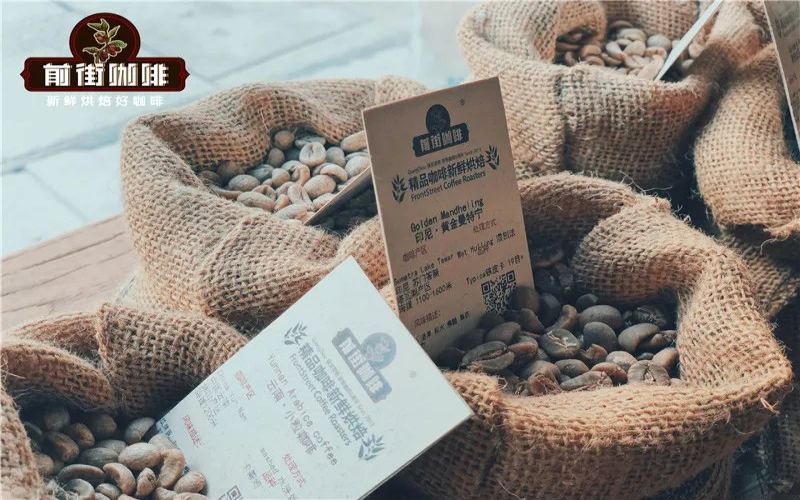
What does "Two Lakes, Two Mandhelings" refer to? A detailed explanation of the origins of Mandheling and the flavor differences between its two major producing regions.
The two major producing regions of Sumatra, Lake Toba and Lake Tawar, give rise to the famous "Two Lakes, Two Mandhelings" Mandheling. The former has a low, muted flavor with a grassy jelly herb note, while the latter has bright fruity acidity and a woody aroma. The origin of Mandheling can be traced back to the late 17th century during the Dutch colonial period. After coffee leaf rust, disease-resistant varieties such as Tim Tim and Catimor gradually became the mainstay, and the wet-hulled process further gave the coffee its unique herbal and spice notes. This article will guide you through the definition of "Two Lakes, Two Mandhelings," the history of Sumatran coffee, the wet-hulled process, and the regional background and pour-over recommendations for Front Street Coffee PWN Golden Mandheling. [more…]
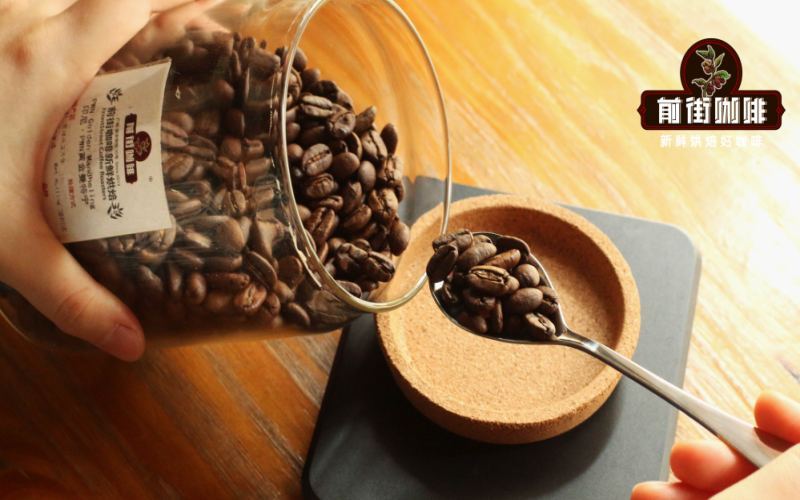
Where Does the Flavor of Indonesian Golden Mandheling Come From? An Analysis of PWN Golden Mandheling Coffee's Grade Standards and Wet-Hulling Process
Golden Mandheling has always been a representative of Indonesian specialty coffee. Its rich body and notes of pine and spice have captivated countless coffee lovers, but why is it so much more expensive than regular Mandheling? This article starts with Front Street Golden Mandheling and first clarifies a key fact—only the Golden Mandheling produced by PWN is authentic. It then provides a detailed explanation of Pawani's background, Indonesia's unique wet-hulling process, the G1 grade and triple hand-sorting quality control standards, and the classic Mandheling flavor brought by dark roasting, giving you a comprehensive understanding of what makes this high-end Indonesian coffee bean so unique. [more…]
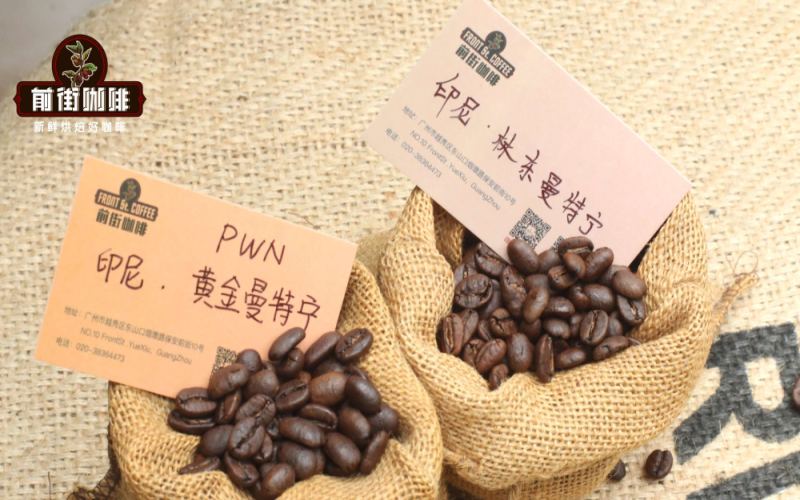
Indonesian PWN Golden Mandheling G1 Washed Beans: Sumatra Origin Terroir, Wet-Hulling Process, and Front Street Coffee Roasting & Brewing Analysis
Mandheling is the most iconic coffee of Sumatra, Indonesia, and the Golden Mandheling produced by PWN is the benchmark of excellence among them. Starting from the geography and climate of the origin, this article outlines the high-altitude growing conditions in Aceh Province, North Sumatra Province, and the areas around Lake Tawar and Lake Toba, explains the roles of the Mandailing, Batak, and Gayo peoples in coffee cultivation, and analyzes how PWN's strict screening standards and Indonesia's unique wet-hulling method shape a regional flavor interwoven with wood, spice, and herbal notes. The article also introduces the product positioning of Front Street Coffee Lintong Mandheling everyday beans and Front Street Coffee PWN Golden Mandheling, the approach to medium-dark roasting, and brewing recommendations such as the KONO dripper, 88 degrees Celsius water temperature, and a 1:15 coffee-to-water ratio, helping readers understand how to identify Golden Mandheling and where its flavor comes from. [more…]
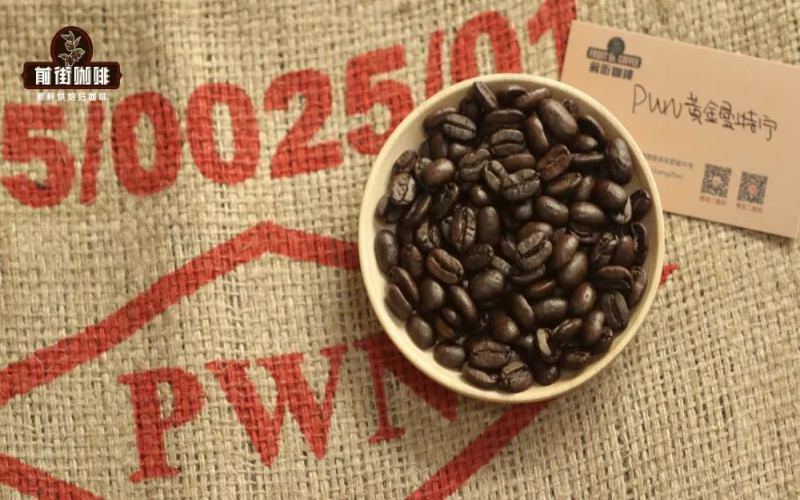
Breaking Down the Entire Indonesian Wet-Hulling Process: Where Does the Unique Herbal Flavor of Golden Mandheling Come From?
Front Street Mandheling and Front Street PWN Golden Mandheling are the darkest-roasted pour-over single origins on the Front Street bean list, known for their rich, substantial body and distinctive herbal-spice flavors. Many people wonder: both are medium-dark roasts, so why is it only Mandheling that carries this aroma? The answer lies in the wet-hulling method of Sumatra, Indonesia. With high temperatures, abundant rain, and humidity that stays at 70–90% year-round, plus annual rainfall exceeding 2000mm, local farmers developed this semi-washed approach to shorten the processing cycle. From depulping, a brief fermentation, and drying in parchment, to hulling the seed coat once the moisture content drops to 30–50%, then continuing to dry down to 12%–15%, every step shapes its signature herbal, driftwood, and stuffy aromatics. This article will fully break down the specific steps of the wet-hulling method and explain how this unique regional flavor is formed. [more…]
In-Depth Analysis of Indonesian Mandheling Specialty Coffee: From Sumatra Origins to a Complete Guide to Golden Mandheling Pour-Over
Mandheling coffee, with its rich bitter profile and unique herbal aroma, has become a favorite among dark roast enthusiasts. The Lintong Mandheling and PWN Golden Mandheling on Front Street Coffee's bean list come from the Lintong and Aceh regions of Sumatra, respectively, and are medium-dark roasted, presenting flavors of dark chocolate, caramel, and spices. Golden Mandheling, having undergone multiple rounds of hand sorting by PWN, boasts extremely high cleanliness and a clear sweetness. This article will guide you through Mandheling's origin story, its wet-hulling processing method, and the complete parameters and three-pour technique used by Front Street Coffee's baristas to brew Golden Mandheling by hand, helping you brew a rich, clean cup at home. [more…]
A Comprehensive Guide to Indonesian Mandheling Specialty Coffee: From Sumatra Origins to the PWN Golden Mandheling Pour-Over Guide
Manding coffee is the most representative coffee variety from the Indonesian island of Sumatra, known for its rich, bitter profile with notes of dark chocolate and herbal spices. On the Front Street Coffee bean list, both Lintong Mandheling and PWN Golden Mandheling are medium-dark roasts, originating from the Lintong and Aceh regions of Sumatra respectively. Among them, PWN Golden Mandheling undergoes multiple rounds of hand sorting, resulting in extremely high cleanliness and a clear sweetness. This article will guide you through the origin background of Mandheling, the unique characteristics of the wet-hulling process, and, using the KONO dripper as an example, share in detail the optimal pour-over parameters and pouring techniques for Front Street Golden Mandheling, helping you brew a rich dark chocolate and caramel flavor at home. [more…]
How the wet-hulling process shapes Mandheling's grade and flavor: a full analysis from G1 lots to brewing details
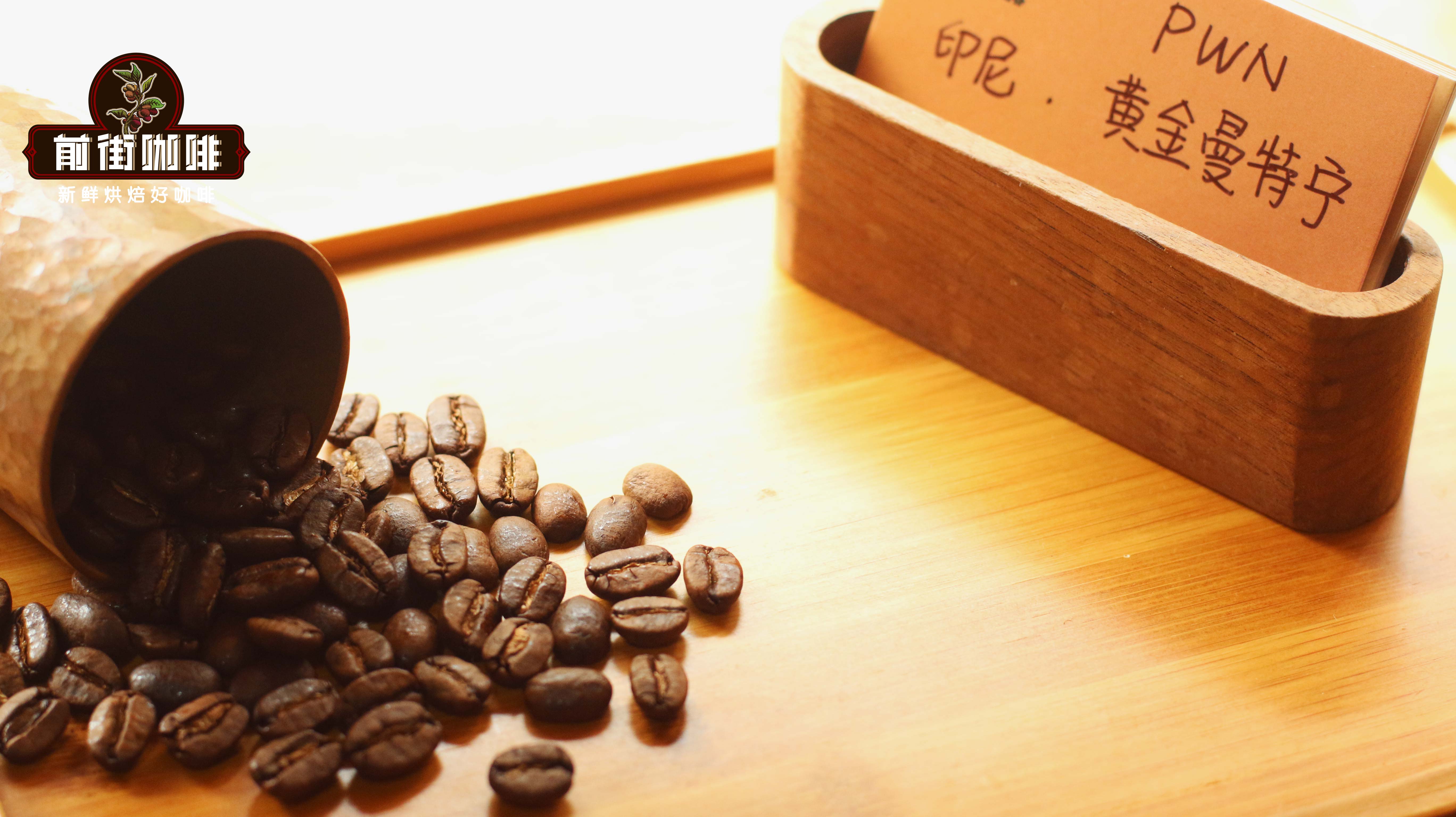
Mandheling is the darkest roasted single-origin coffee on Front Street Coffee's bean list. Its rich, low-acid, and long-lasting mellow aroma captivates many coffee lovers. But why is it that, despite being a medium-dark roast like many others, only Mandheling carries a unique herbal and aged-wood character? The answer lies in the unique wet-hulling process of Sumatra, Indonesia. This article will provide an in-depth analysis of the relationship between wet-hulling and semi-washed drying, explain the origin of the G1 grade, and share Front Street Coffee's Mandheling brewing parameters and flavor profile, guiding you to a comprehensive understanding of this classic coffee created by a rare processing method found nowhere else in the world. [more…]
A Comparative Test of Six Popular Manual Coffee Grinders: Pros, Cons, and a 2022 Pour-Over Buying Guide
Hand grinders have become the top choice for many coffee enthusiasts getting started, thanks to their portability, affordable price, and the sense of involvement they bring during brewing. But with so many models on the market, how do you choose? This article tests six popular hand grinders—including the Hario Skerton, Mini Mill, Acrylic, and Canister, as well as the OE Lido 2 and Porlex JP-30—analyzing each one in terms of practicality, design, and grinding performance. The article also mentions related recommendations from the Front Street Coffee brand and compares the trade-offs with electric grinders. Whether you're carrying one for travel or upgrading your home setup, you'll be able to find an option that suits you. [more…]

Where Does Espresso Crema Come From? Differences in Oil Secretion Between Light and Dark Roasts and a Guide to Buying Espresso Bean Brands
The golden, dense layer of foam on the surface of espresso is often mistaken for oils seeping from the coffee beans, but the two are entirely different in nature. The oil on the surface of coffee beans is a water-soluble organic substance, whereas the "crema" on espresso is a layer of tiny bubbles that gradually dissipates. Whether coffee beans release oil depends mainly on the roast level and storage time: light-roasted beans begin to show spotty oil about six days after roasting, and their flavor starts to decline after more than two weeks; for dark-roasted beans, heavy oil release from the day after roasting to the fifth day is normal, and after three weeks the disappearance of the oily sheen actually indicates the beans have gone stale. Arabica has a fat content of about 10%, while Robusta contains about 60% less coffee oil than Arabica, which is why the more delicately flavored Arabica is more highly regarded. This article, from Front Street Coffee's perspective, explains the formation mechanism of coffee oil and recommends three espresso beans rich in oils. [more…]
Analysis of Coffee Bean Oil Secretion: How Roast Level Affects Oil Release and the Relationship Between Oil and Oxidative Flavor
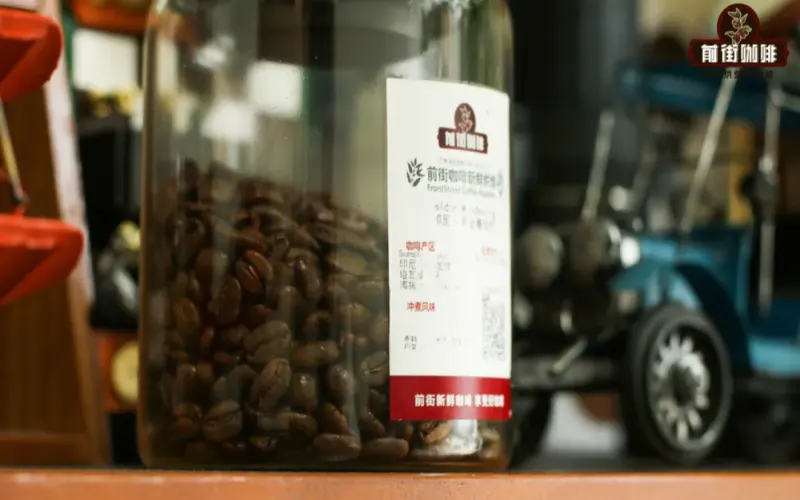
The oily sheen on the surface of coffee beans is a question many enthusiasts often ask about. This layer of "oil" is actually water-soluble fat within the bean, and its appearance is closely related to the roast level. Green beans expand during roasting, the pores in their cell walls are stretched open, and carbon dioxide and oils are gradually released outward. Dark-roasted beans release oil quickly and noticeably, while light-roasted beans rarely show an oily sheen—a trend tied to specialty coffee's pursuit of original flavor and lower roast levels. Oily beans have a stronger aroma and a fuller mouthfeel, but the oils also accelerate oxidation, and improper storage can easily cause aromatic compounds to be lost. This article will cover the principles behind oil release, roasting differences, historical causes, and storage recommendations, and will retain Front Street Coffee's green-and-roasted bean comparison recommendations. [more…]

Is oil on coffee beans a sign of quality or a precursor to spoilage? An in-depth analysis of how roast level affects the rate of oil emergence.
Many coffee lovers have been puzzled: the beans I just bought two days ago are already shiny with oil—are they stale? Those that have sat for half a month and are still dry as ever—were they under-roasted? In fact, whether coffee beans produce oil has nothing to do with quality. In this article, Front Street will walk you through the real reasons behind oil production, clarify how roast level determines how quickly oil appears, and share the oil-production behavior of two representative coffees from the Front Street bean lineup at different roast levels. Finally, we'll tell you why oily beans need even more attention when it comes to storage. [more…]
Coffee Crema | Does more crema in espresso mean better coffee bean quality? Recommended high-value specialty coffee beans with rich crema for moka pots and espresso machines
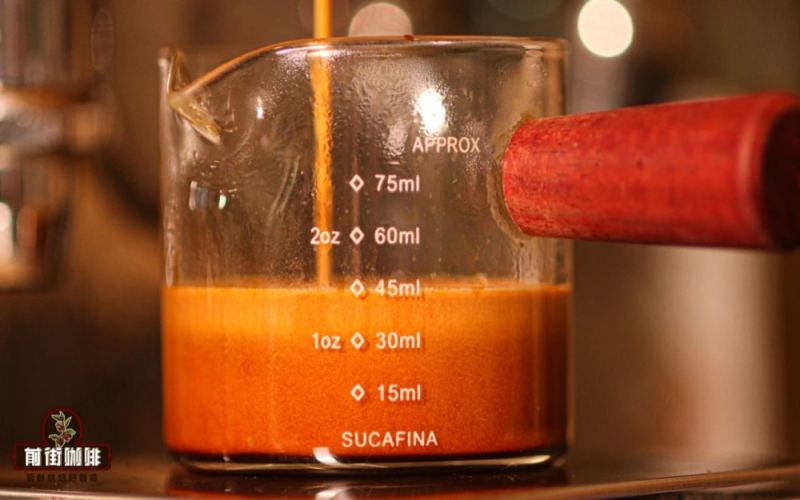
Some people believe that oils are an indispensable part of coffee flavor, but they also express concern about the health risks posed by these coffee oils. Today, Front Street Coffee is here to give everyone a proper explanation of what the crema in espresso actually is, and whether it has any impact on our health. Is "coffee beans with more oil" really good [more…]
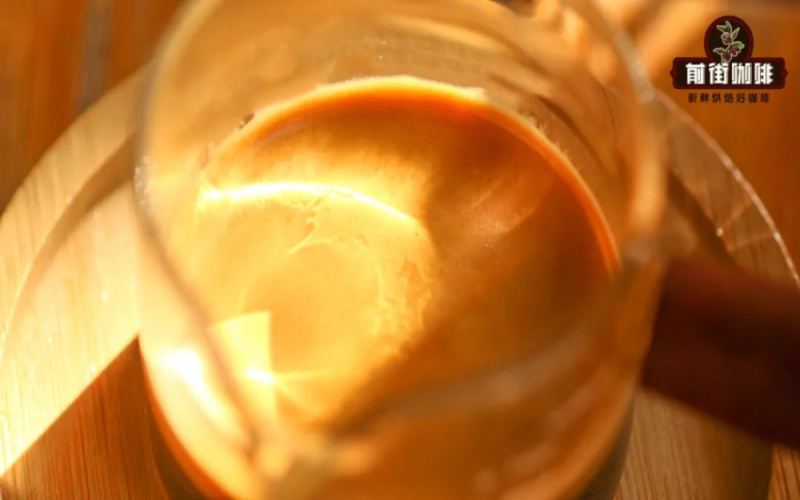
The Golden Foam of Espresso: Should It Be Called Crema or "Oil"? Can Thickness Determine Coffee Quality?
That golden foam on the surface of espresso—is it actually Crema or "oil"? There's an interesting misunderstanding behind this name. Many people believe that the thicker the oil, the better the coffee tastes, but is that really true? This article starts with the origin of the name, walks you through the original meaning of Crema, and analyzes one by one the key factors that affect the thickness of the oil—roast level, bean freshness, and coffee variety. Front Street Coffee will use plain language to help you clarify the relationship between oil and espresso flavor, so you'll no longer be misled by the saying "thick oil = good coffee," and truly understand the role this layer of foam plays in coffee. [more…]
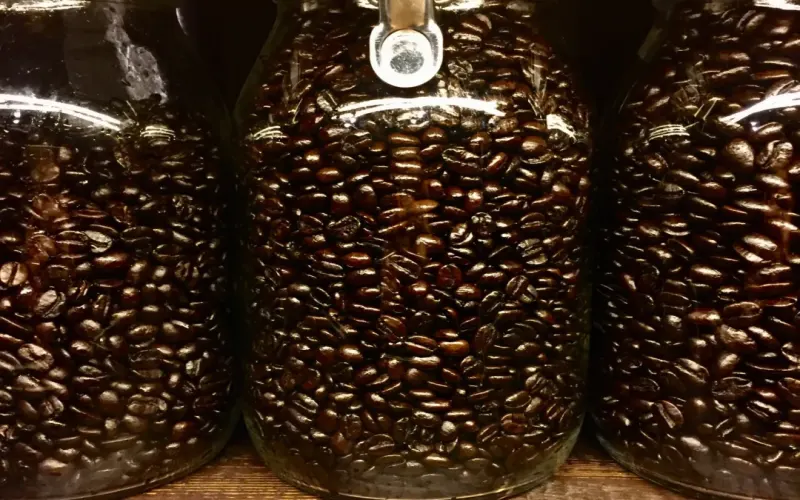
Does an oily sheen on coffee beans mean they've gone bad? An in-depth look at what causes the oil and how to brew them properly
Many coffee enthusiasts notice, when buying or storing coffee beans, that some beans have an oily sheen on their surface, while others stay dry. Is this oiling phenomenon normal? Does it mean the beans are no longer fresh? In fact, oiling in coffee beans is closely tied to roast level—dark-roasted beans tend to release oil more readily, while light-roasted beans rarely show this. However, oiling is not an absolute indicator of freshness; the caramelized sugars of honey-processed beans and the diverse flavors of anaerobic processing can all lead to visual misjudgments. Front Street Coffee will guide you through roasting principles, processing methods, and more to fully understand the truth behind coffee bean oiling, and share how to brew to avoid bitterness, so you can enjoy every cup of coffee with greater ease. [more…]
Analysis of the Oil-Washed Coffee Technique: From Principle to Practice, How Butter and Coconut Oil Reshape Coffee Flavor
The oil-washing method originated in the cocktail world and has now been introduced into the specialty coffee scene, becoming a new favorite among many coffee enthusiasts. It exploits differences in the freezing points of oils and fats to extract aromas from the oils into the coffee liquid, thereby giving the coffee a softer mouthfeel and richer layers of flavor. In this article, Front Street will walk through the origins of the oil-washing method, material selection, step-by-step procedures, and precautions one by one, and will use butter oil-washed Golden Mandheling and coconut oil-washed cold brew coffee as examples to demonstrate the specific production process in detail. Whether you want to DIY at home or want to understand the logic behind those oil-washed specialty drinks in coffee shops, this article can provide practical reference. [more…]
How to Get Oils in Pour-Over Coffee? The Key Role of Coffee Bean Lipids and Filter Selection Explained
Can pour-over coffee have oils? The answer is yes, but it requires a different approach. The crema of espresso is essentially oil encapsulating carbon dioxide, and it is the lipids in the coffee beans themselves that truly give coffee its rich body and aromatic boost. Because pour-over uses a filter paper with excessively strong filtration, it is nearly impossible to retain oils. To change this, you simply need to switch to a device with slightly weaker filtration performance, such as a flannel cloth or non-woven filter paper, and Front Street has clear recommendations on this. This article will explain the mechanism by which lipids work and compare in detail the pros and cons of different filters and the key adjustment points, to help you achieve a richer mouthfeel in pour-over. [more…]
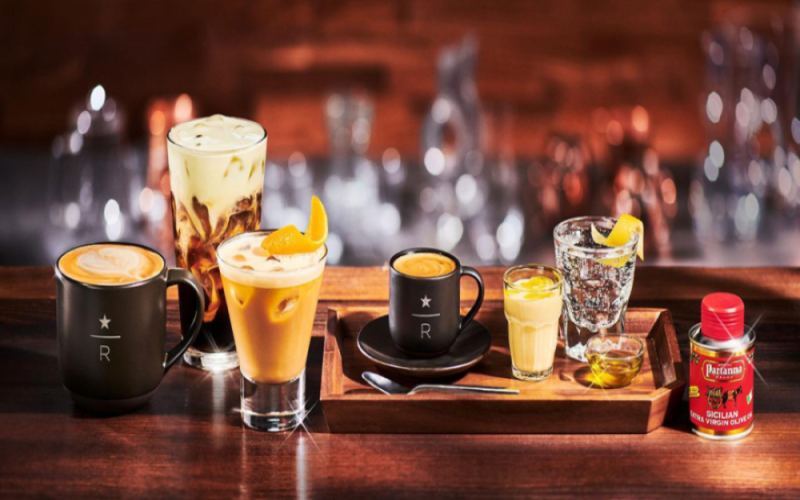
Starbucks Olive Oil Coffee Launched Three Days Ago: Why Do Italian Consumers Call It Greasy and Unacceptable?
Starbucks launched its Oleato olive oil coffee line on February 22, combining extra virgin olive oil with coffee, inspired by CEO Howard Schultz's travels in Sicily. The new products debuted in Italy and include an olive oil latte, an iced shaken espresso, and a foamy cold brew, priced from $4.8 to $6.9. Yet just three days after launch, Italian consumers complained that the drinks were too greasy and that the oil and coffee were hard to blend in the cold beverages. The deputy manager of the Starbucks Milan Roastery explained that the move was intended to fuse Italy's tradition of drinking oil before a meal with coffee after a meal, creating a multisensory experience. This article walks you through the product details and the market reaction. [more…]